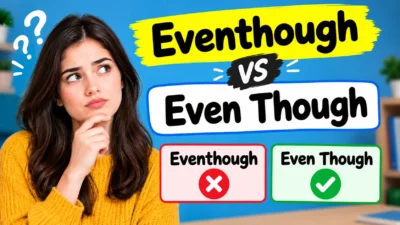
Choosing between lunchtime and lunch time can be confusing because both forms look natural in everyday English. The key difference comes down to how you use the phrase in a sentence. Lunchtime is usually the standard one-word noun for the period when people normally eat lunch.
For example, you can say, “I’ll call you at lunchtime.” Here, lunchtime refers to the general period around lunch. Lunch time can also appear as two words when you specifically mean the time set aside for eating lunch or when “lunch” works as a noun modifying “time.”
In this guide, we’ll explain lunchtime or lunch time in simple terms. You’ll learn the correct spelling, when to use each form, common mistakes, and clear examples to help you choose the right option in everyday writing.
What Does Lunchtime Mean?

Lunchtime is a noun that refers to the part of the day when people normally eat lunch.
It is written as one word and is widely used in everyday English. It can refer to a general period rather than a specific number of minutes.
For example:
- I usually feel hungry around lunchtime.
- Let’s meet at lunchtime.
- The store gets busy around lunchtime.
- She called me during lunchtime.
In these sentences, lunchtime describes the general period associated with eating lunch.
The exact time of lunchtime can change depending on a person’s routine, workplace, school schedule, or culture. For one person, lunchtime may be around noon. For another, it could be closer to 1:00 or 2:00 p.m.
Lunchtime as a Noun
The word lunchtime functions primarily as a noun.
You can use it as the subject or object of a sentence:
- Lunchtime is my favorite part of the day.
- We arrived just before lunchtime.
- The restaurant becomes crowded at lunchtime.
- I normally take a walk after lunchtime.
The word does not normally identify an exact clock time. Instead, it refers to the period associated with lunch.
Examples of Lunchtime
Here are some simple examples:
- What are you doing at lunchtime?
- I’ll see you at lunchtime.
- The office is quiet before lunchtime.
- We went to the restaurant around lunchtime.
- She usually drinks tea after lunchtime.
- The children were excited because lunchtime was near.
- Traffic is often heavy around lunchtime.
- He likes to read during lunchtime.
- Let’s discuss the project at lunchtime.
- I normally take a break at lunchtime.
What Does Lunch Time Mean?

Lunch time consists of two separate words: lunch + time.
It can refer to the time or period designated for lunch. In many sentences, it has almost the same meaning as lunchtime.
For example:
The students have a 30-minute lunch time.
Here, the writer is emphasizing the amount of time allocated for lunch.
You may also see the two-word form when time is being used as a regular noun modified by lunch.
Examples include:
- What time is lunch time?
- We need to decide the lunch time for tomorrow.
- The scheduled lunch time is 12:30.
- Please check the lunch time on the timetable.
However, there is an important point to remember: in ordinary conversational English, lunchtime is generally the more natural choice when you simply mean the general period when lunch happens.
Lunch Time as Two Separate Words
When you write lunch time, the two words retain their individual meanings.
Lunch tells you what kind of time you mean, while time refers to the period or scheduled point.
Consider this example:
The lunch time is 12:30 p.m.
The focus is on a scheduled time for lunch.
Compare that with:
I’ll see you at lunchtime.
The second sentence sounds more natural when you are simply referring to the general lunch period.
Examples of Lunch Time
Here are examples using the two-word form:
- What is the lunch time today?
- The school has a short lunch time.
- We need to change the lunch time.
- The manager announced the lunch time.
- Our lunch time is from 12:00 to 12:30.
- Please arrive before lunch time.
- The lunch time was moved to 1:00 p.m.
- They discussed the lunch time during the meeting.
Lunchtime vs. Lunch Time: What’s the Difference?

The main difference is usage and emphasis, not meaning.
| Form | Meaning | Common Use | Example |
| lunchtime | The period when people usually eat lunch | General everyday use | I’ll call you at lunchtime. |
| lunch time | A time or period specifically associated with lunch | Schedules, timing, or emphasis | Our lunch time is 12:30. |
In many situations, the two forms can communicate the same idea. However, lunchtime is usually the more natural and standard choice when you mean the general period of the day.
Which One Is More Common?
If you are unsure, lunchtime is usually the safest choice in normal English.
For example:
Natural:
Let’s meet at lunchtime.
Also possible, depending on context:
Let’s meet at lunch time.
The first version is more commonly used in everyday writing and conversation.
Is Lunchtime One Word or Two?
The standard everyday form is lunchtime, written as one word.
It is a recognized compound noun formed from lunch and time.
Similar English compounds include:
- bedtime
- nighttime
- daytime
- dinnertime
- summertime
- teatime
For example:
- I go to bed at bedtime.
- We talked during nighttime.
- The children enjoy dinnertime.
- I’ll call you at lunchtime.
Because lunchtime functions as an established compound noun, writing it as one word is usually the best option when referring to the general lunch period.
Is Lunch Time Grammatically Correct?
Yes, lunch time can be grammatically correct.
However, that does not mean it is always the best choice.
English contains many compound words that can sometimes appear as separate words depending on context, style, or emphasis. Lunch time can be understood as a noun phrase where lunch modifies time.
For example:
The lunch time has changed.
This sentence can be understood, but many speakers would naturally say:
The lunchtime has changed.
Even better, depending on the intended meaning:
The lunch time has changed to 1:00.
In practical writing, always consider whether you mean the general lunch period or a specific scheduled period.
When Should You Use Lunchtime?
Use lunchtime when you are talking about the general part of the day when lunch is normally eaten.
This is especially common after prepositions such as:
- at lunchtime
- around lunchtime
- before lunchtime
- after lunchtime
- during lunchtime
Examples:
- I’ll call you at lunchtime.
- The restaurant is busy around lunchtime.
- We arrived before lunchtime.
- She went shopping after lunchtime.
- He usually takes a break during lunchtime.
At Lunchtime
The expression at lunchtime is extremely common.
Examples:
I’ll call you at lunchtime.
We usually eat together at lunchtime.
The office gets noisy at lunchtime.
When referring to the general lunch period, at lunchtime is often more natural than at lunch time.
When Should You Use Lunch Time?
Use lunch time when you want to emphasize a particular period, duration, or scheduled time for lunch.
For example:
Our lunch time is from 12:00 to 12:30.
Here, you are talking about an assigned period.
Another example:
The teacher changed the lunch time.
The focus is on the school’s specific lunch schedule.
This distinction is not an absolute grammar rule. Native speakers may use both forms in similar situations. The important point is that lunchtime is generally the preferred compound noun for the ordinary lunch period.
Lunchtime or Lunch Time in American English
In American English, lunchtime is widely used as a single word.
Examples:
- I’ll call you at lunchtime.
- What are you doing at lunchtime?
- We went out for lunch around lunchtime.
The two-word phrase lunch time can still appear when the writer wants to emphasize a particular scheduled or allotted period.
For everyday American English, choosing lunchtime will usually make your sentence sound natural.
Lunchtime or Lunch Time in British English
British English also commonly uses lunchtime as one word.
Examples:
- I’ll see you at lunchtime.
- The shop closes at lunchtime.
- We usually have lunch around lunchtime.
The same general principle applies: lunchtime is the established compound form, while lunch time can occur when the phrase emphasizes a particular period or schedule.
Therefore, this is not mainly an American-versus-British spelling issue.
Lunchtime as a Compound Word
A useful way to understand lunchtime is to recognize that it is a compound word.
A compound word combines two words to create a new word or established expression.
For example:
lunch + time = lunchtime
Other examples include:
bed + time = bedtime
day + time = daytime
night + time = nighttime
dinner + time = dinnertime
These compounds are common in English because they combine a general activity or period with the word time.
Why Does Lunchtime Become One Word?
Language naturally develops shorter forms for common expressions. Because people frequently talk about the period when they eat lunch, lunchtime became an established compound noun.
You don’t need to think of it as a complicated grammar rule. Think of it as a commonly accepted vocabulary word.
Lunchtime vs. Lunch Time in a Sentence
Let’s compare the two forms in context.
| Lunchtime | Lunch Time |
| I’ll call you at lunchtime. | The scheduled lunch time is noon. |
| The restaurant is crowded at lunchtime. | We changed the lunch time. |
| She feels tired after lunchtime. | The children have a 30-minute lunch time. |
| We met around lunchtime. | The lunch time on the schedule is 12:15. |
The examples show that lunchtime often works naturally when you mean a general period.
The two-word form can be useful when time itself is the focus.
Common Mistakes With Lunchtime
Many learners make small mistakes with this word. Let’s look at the most common ones.
Mistake 1: Always Writing Lunch Time
Some people assume that every phrase containing lunch and time must have two words.
For example:
I’ll meet you at lunch time.
This can be understood, but I’ll meet you at lunchtime is generally the more natural form when you mean the general lunch period.
Mistake 2: Assuming Lunch Time Is Always Wrong
The opposite mistake is also common.
Some learners believe that lunch time is never acceptable. That’s too strict.
The two-word form can be appropriate when referring to a specific scheduled or allotted period.
For example:
The lunch time is limited to 30 minutes.
Here, the phrase can emphasize the amount of time available for lunch.
Mistake 3: Confusing Lunchtime With Lunch
Lunch and lunchtime do not mean exactly the same thing.
Lunch is the meal.
Lunchtime is the period when the meal is normally eaten.
Compare:
I ate lunch.
This tells us about the meal.
I arrived at lunchtime.
This tells us about the period of the day.
Mistake 4: Using At Lunch When You Mean At Lunchtime
Sometimes both expressions work, but they can have slightly different meanings.
At lunch often means that someone is eating lunch or is occupied with lunch.
At lunchtime refers more clearly to the period of the day.
For example:
I’ll call you at lunch.
This can mean the time when you are having lunch.
I’ll call you at lunchtime.
This emphasizes the general lunch period.
Both can be natural depending on context.
Easy Spelling Tip for Lunchtime
Here’s a simple trick:
If you are talking about the general period of the day, use:
Lunchtime
One word.
Think:
Lunch + time = lunchtime
If you’re talking about a specific scheduled or allotted time for lunch, you may encounter:
Lunch time
Two words.
However, when you’re uncertain in ordinary writing, lunchtime is usually the better choice.
Lunchtime or Lunch Time: Examples in Everyday English
Let’s look at more examples so the difference becomes easier to understand.
Examples With Lunchtime
- I’ll meet you at lunchtime.
- The café is packed at lunchtime.
- She normally walks after lunchtime.
- We reached the office before lunchtime.
- Traffic becomes worse around lunchtime.
- He usually checks his messages at lunchtime.
- The weather was warm around lunchtime.
- I felt hungry before lunchtime.
- The meeting ended just before lunchtime.
- They went home after lunchtime.
Examples With Lunch Time
- The lunch time is written on the schedule.
- Our lunch time lasts 45 minutes.
- The school changed the lunch time.
- The lunch time has been moved to 1 p.m.
- Please confirm the lunch time.
- The employee’s lunch time is from noon to 1 p.m.
- We need to decide the lunch time for the event.
Notice that the two-word examples often focus on a defined schedule or period.
Lunchtime in Formal Writing
Lunchtime is perfectly acceptable in professional and formal writing when it refers to the normal lunch period.
For example:
The meeting will resume after lunchtime.
Please submit the document before lunchtime.
The office will remain open during lunchtime.
You do not need to replace lunchtime with a more complicated phrase just because your writing is formal.
However, if you’re describing a precise schedule, you may want to give an exact time:
The meeting will resume at 1:00 p.m., after lunch.
This can be clearer than relying on a general word like lunchtime.
Lunchtime in Text Messages
In casual messages, lunchtime is very common.
For example:
Are you free at lunchtime?
Let’s grab lunch around lunchtime.
I’ll text you at lunchtime.
You might also simply say:
Are you free for lunch?
The best choice depends on exactly what you want to communicate.
Is Lunchtime a Noun?
Yes. Lunchtime is primarily a noun.
It names a period associated with lunch.
For example:
Lunchtime starts soon.
I arrived at lunchtime.
Lunchtime is usually busy here.
It can also appear in common phrases and expressions.
What Is the Plural of Lunchtime?
Normally, lunchtime is not used in the plural because it describes a general period.
You would usually say:
We have lunchtime every day.
rather than trying to create a plural form.
When discussing several specific lunch periods, you could rephrase the sentence:
The lunch periods were different each day.
This sounds more natural than forcing a plural form of lunchtime.
Lunchtime vs. Lunch Hour
Lunchtime and lunch hour are related but not identical.
Lunchtime refers generally to the period when lunch occurs.
Lunch hour usually refers to a specific one-hour break or period.
Compare:
I’ll see you at lunchtime.
This does not tell us how long the period lasts.
I have a one-hour lunch break.
This gives us a specific duration.
For example, a person’s lunchtime could be 30 minutes, 45 minutes, one hour, or even longer.
Lunchtime vs. Noon
These words are also different.
Noon means approximately 12:00 p.m.
Lunchtime is the period when people eat lunch and may occur before or after noon.
For example:
Lunch starts at 12:30.
That is after noon, but it can still be lunchtime.
So don’t assume that lunchtime always means exactly 12:00 p.m.
Lunchtime vs. Lunch Break
A lunch break is a break from work, school, or another activity that people use to eat lunch or relax.
Lunchtime refers to the general period associated with lunch.
For example:
I’ll call you at lunchtime.
I’ll call you during my lunch break.
The first describes a general time. The second describes a specific break.
Is At Lunchtime Correct?
Yes, at lunchtime is completely correct.
It is one of the most common expressions using the word.
Examples:
- I’ll call you at lunchtime.
- We met at lunchtime.
- The restaurant opens at lunchtime.
- She usually takes a walk at lunchtime.
You normally don’t need an article before lunchtime in this expression.
Incorrect or unnatural:
at the lunchtime
Natural:
at lunchtime
However, the lunchtime can occur in specific contexts when you are referring to a particular lunch period.
Is During Lunchtime Correct?
Yes, during lunchtime is grammatically possible.
For example:
I usually read during lunchtime.
However, in some situations, at lunchtime sounds more natural:
I usually read at lunchtime.
The choice depends on the sentence and what you want to emphasize.
At lunchtime identifies when something happens.
During lunchtime emphasizes that something happens within the lunch period.
Is Before Lunchtime Correct?
Yes.
Examples:
- Please finish the work before lunchtime.
- We should leave before lunchtime.
- I’ll send the email before lunchtime.
Here, lunchtime refers to the general period when lunch occurs.
Is After Lunchtime Correct?
Yes.
Examples:
- Let’s meet after lunchtime.
- Traffic became lighter after lunchtime.
- She went shopping after lunchtime.
Again, the one-word form is natural because you are referring to the general lunch period.
Is Lunch Time Better for Schedules?
It can be.
If a schedule specifically labels a period as the lunch time, the two-word form may be used.
For example:
The lunch time is 12:00–12:45.
However, many schedules and organizations may simply use Lunch or Lunch Break instead.
The important thing is clarity. If you’re communicating a specific time, giving the exact clock time is often best:
Lunch is from 12:00 to 12:45.
This removes any possible confusion.
How to Remember Lunchtime vs. Lunch Time
Use this simple rule:
General lunch period → lunchtime
Specific scheduled period → lunch time can be used
For example:
I’ll call you at lunchtime.
General period.
The lunch time is 12:30.
Specific scheduled time.
There are situations where both forms may be understood, so don’t worry if you see lunch time in a text or document. Context matters.
Quick Grammar Test
Try choosing the better form in these sentences.
1. I’ll see you at _____.
The natural answer is:
lunchtime
2. The scheduled _____ is 12:30 p.m.
lunch time can work because the sentence focuses on a scheduled time.
3. The restaurant is busiest at _____.
lunchtime
4. What is the _____ for the meeting?
lunch time can work when asking about the scheduled lunch period.
5. We arrived around _____.
lunchtime
This quick test can help you recognize the difference through context rather than memorizing complicated rules.
Frequently Asked Questions About Lunchtime or Lunch Time
Is lunchtime one word or two?
Lunchtime is normally written as one word when it means the general period when people eat lunch. It is the common compound noun used in everyday English.
Is lunch time grammatically correct?
Yes. Lunch time can be grammatically correct when the context treats time as a separate noun, especially when referring to a particular lunch schedule or allotted period.
Which is correct: lunchtime or lunch time?
Both can be correct, but lunchtime is generally the preferred form when you mean the general period of the day when lunch is eaten.
Is at lunchtime correct?
Yes. At lunchtime is a very common and natural English expression.
Example: I’ll call you at lunchtime.
Should I write lunchtime in formal English?
Yes. Lunchtime is standard English and can be used in both casual and formal writing.
What is the difference between lunchtime and lunch?
Lunch is the meal. Lunchtime is the period when people usually eat that meal.
Example: I had lunch at lunchtime.
Does lunchtime mean 12 p.m.?
Not necessarily. Lunchtime refers to the general lunch period, which may occur around noon or at another time depending on the person’s schedule.
Is during lunchtime correct?
Yes. During lunchtime is grammatically correct. However, at lunchtime may sound more natural in many everyday sentences.
Is before lunchtime correct?
Yes. You can use before lunchtime when referring to something that happens earlier than the usual lunch period.
Is after lunchtime correct?
Yes. After lunchtime means after the general period when lunch is normally eaten.
Is lunchtime a compound noun?
Yes. Lunchtime is an established compound noun formed from the words lunch and time.
Which is more common: lunchtime or lunch time?
Lunchtime is generally more common when referring to the general lunch period. The two-word form appears when the writer wants to emphasize a particular lunch time or schedule.
Can I say lunch time in a text message?
Yes. People will understand it. However, lunchtime is usually the cleaner and more natural form when you mean the general lunch period.
Is lunchtime American or British English?
Lunchtime is used in both American and British English. It is not limited to one variety of English.
What is the difference between lunchtime and lunch hour?
Lunchtime refers generally to the period when lunch is eaten. Lunch hour usually describes a specific break or period, often lasting about an hour.
Final Verdict
In conclusion, “lunchtime” and “lunch time” are both correct, but “lunchtime” is the more common form in modern English. It refers to the period when people usually eat lunch. “Lunch time” can also be used, especially when you want to emphasize the specific time of having lunch.
In everyday writing, conversations, and general contexts, “lunchtime” is usually the natural choice. However, both forms are grammatically acceptable when used correctly. Understanding this small difference can help you write more naturally and confidently in both casual and formal English.

Daniel Carter is a passionate writer who creates clear, helpful, and easy-to-understand content. He focuses on language, grammar, word meanings, and everyday expressions, helping readers find simple answers to common questions.